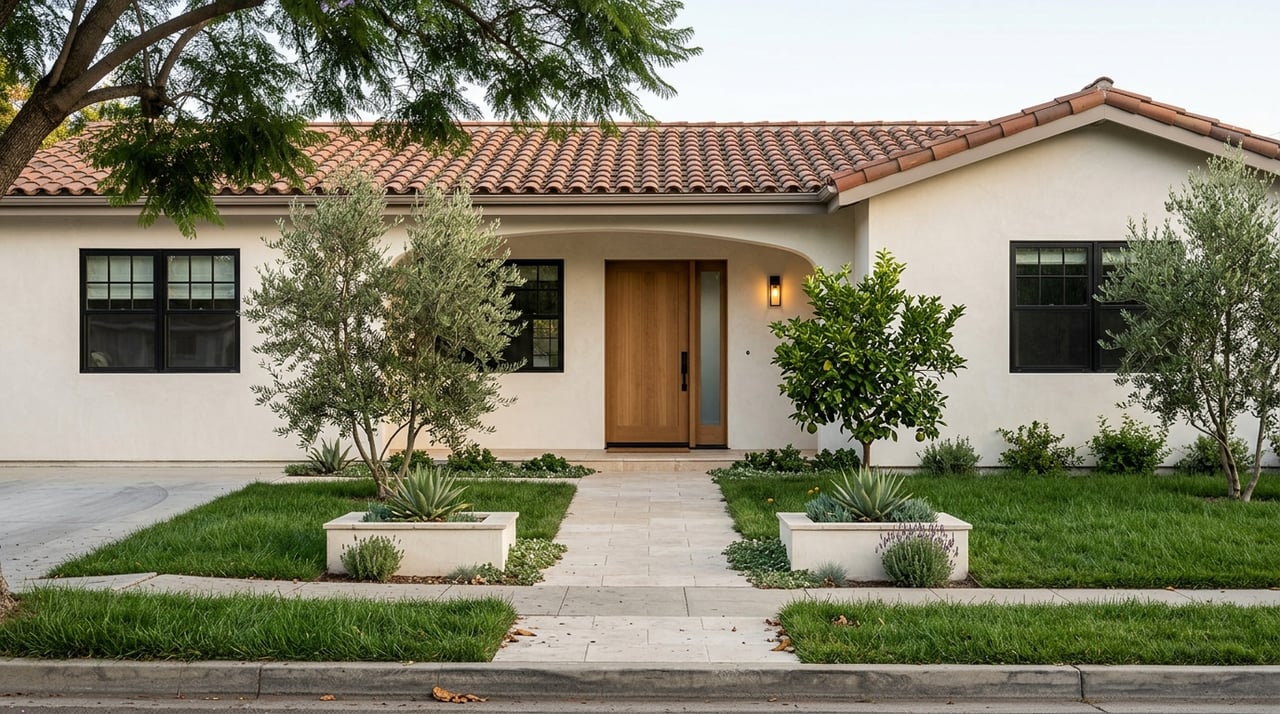
Losing a loved one is hard enough without also having to figure out what happens to their home. If you are selling an inherited home in Whittier, you may be juggling grief, family decisions, paperwork, and a lot of unanswered questions. This guide will help you understand the basic steps, common timelines, and key issues to watch for so you can move forward with more clarity and less stress. Let’s dive in.
Start With How Title Passed
The first question is not whether you should list the home right away. The first question is how ownership passed after death. In California, a home may transfer outside formal probate if it was held in a living trust, joint tenancy, a transfer-on-death arrangement, or certain community property survivorship setups.
If none of those apply, formal probate may be required. For a Whittier property, that usually means looking at the legal documents tied to the home and confirming who now has authority to act. Until that is clear, no one should assume they can sign listing or sale documents.
When Probate May Not Be Needed
Some inherited homes can move on a faster path because title was already set up to pass outside probate. That often happens with a trust or another nonprobate title form. Even then, there may still be county recording steps and supporting documents needed before a sale can close.
In Los Angeles County, the Recorder handles the recording of legal documents related to real property ownership. If the home was held in a trust, the county says an affidavit of death of trustee, a certified death certificate, and a Preliminary Change of Ownership Report are part of the recording process. The county also notes that it may be advisable to consult an attorney because of the legal issues involved in changing title.
When Formal Probate Is Required
If the home does not pass by trust or another nonprobate method, the estate may need to go through formal probate. California Courts describes probate as the court process for transferring a deceased person’s property. The probate case is filed in the county where the person lived, or if they lived outside California, where the California property is located.
For many families, this is the point where the process starts to feel overwhelming. The good news is that once authority is established, the path becomes more manageable because each next step is easier to identify.
Know Who Has Authority To Sell
One of the biggest inherited-home questions is simple: Who can actually sign? The answer depends on the legal path of the property. It may be a successor trustee, an executor, or a court-appointed administrator.
In a formal probate, the court appoints a personal representative. California Courts makes clear that the appointment is not effective until letters are issued. That means a family member may be named in a will, but still cannot act until the court has formally given that authority.
Full vs Limited Probate Authority
This distinction matters a lot when a sale is involved. California probate documents show that a personal representative may receive either full authority or limited authority under the Independent Administration of Estates Act, often called the IAEA.
If the representative has limited authority, they do not have authority to sell real property without court supervision. If they have full authority, a sale may proceed without court confirmation after required notice, unless an interested party objects in writing or gets a court order before the proposed-action date.
Why This Matters In Escrow
Before an inherited home can move smoothly through escrow, everyone involved needs to know who is authorized to sign and whether court confirmation is required. This affects timeline, buyer expectations, and how the transaction is managed from the start.
That is why inherited-home sales often move best when the legal side is reviewed early. Clear authority helps avoid delays later, especially once offers begin coming in.
Understand The Typical Probate Sale Path
If the home is in formal probate, the process generally follows three broad stages. California Courts describes them as opening the case, administering the estate, and closing the estate. During that time, the personal representative gathers assets, handles notices, manages required tasks, and works toward final distribution.
A home sale is only one part of that larger estate process. Families are often surprised to learn that the court, creditors, inventories, and appraisals may all affect timing.
Main Steps Families Often See
Here are some of the common moving parts in a Los Angeles County inherited-home sale:
- Open the probate case if needed
- Obtain court appointment and letters
- Confirm whether the representative has full or limited authority
- Complete inventory and appraisal requirements
- Give required notice to creditors
- Determine whether a sale needs court confirmation
- Coordinate title, recording, and escrow documents
- Work toward closing and final estate distribution
If court confirmation is required, the personal representative uses a California court form to report the sale and ask the court to confirm it. If the representative has full IAEA authority, the sale may be able to proceed without court confirmation after the required notice process is completed.
Timelines To Expect In Whittier
Most families want to know how long everything will take. The honest answer is that it depends on title, authority, and whether probate is involved. Still, there are some useful benchmarks from California Courts.
A formal probate case typically takes 9 to 18 months and can take longer. California Courts also says the personal representative typically reports back to the court about a year after appointment, which helps explain why these cases often do not move quickly.
Faster Paths May Be Available
When a home is already in a trust or another nonprobate form, the sale can often move faster because there is no need to wait for a full probate appointment. That does not mean the process is instant. It means the legal path may be shorter if the right documents and authority are already in place.
California also has simplified succession procedures in some situations after 40 days have passed since death if the property type and value qualify. For a decedent’s main home in California, the current limit for certain petitions is $750,000 if the person died on or after April 1, 2025. For certain personal-property procedures, the current estate limit is $208,850 on or after that date.
A Common Point Of Confusion
Many people hear the phrase small-estate affidavit and assume it can be used for a house. California Courts is clear that this affidavit is for personal property, not real property like a home. In other words, it is not the tool used to transfer a house.
That is an important distinction because using the wrong process can create delays right when you are trying to simplify things.
Recording And County Filing Details Matter
Inherited-home sales often depend on details that are easy to overlook. In Los Angeles County, recording documents correctly is part of clearing the path to closing. The Recorder maintains the legal documents tied to ownership, and those filings help establish what can happen next.
The California Board of Equalization says that when there is no probate, a change-of-ownership report is due within 150 days of death. If the estate is probated, that report is due at the same time the inventory and appraisal is filed.
PCOR And Ownership Reporting
When a transfer document is recorded, a Preliminary Change of Ownership Report is normally filed with the deed. If no PCOR is filed, the assessor may send a Change of Ownership Statement. This is one reason inherited-home transactions benefit from organized paperwork and early coordination.
For families in Whittier, these filing details may not be emotional, but they are important. Missing documents or incomplete county paperwork can slow down a sale that already feels time-sensitive.
Tax Questions To Bring To Professionals
An inherited home can raise tax and property-tax questions that deserve careful review. While you should get advice from a qualified attorney, CPA, or property-tax professional for your specific situation, it helps to know the basic issues that often come up.
For federal income tax purposes, the IRS says that transferring property at death to an executor, administrator, heir, or beneficiary is not a sale or exchange. That means the transfer at death itself does not trigger taxable gain or deductible loss.
Basis And Later Sale Questions
The IRS also says inherited property basis is generally the fair market value at the date of death, subject to consistent-basis rules when estate-tax reporting applies. In practical terms, the later sale of the property is usually where gain or loss is measured.
That calculation depends on the inherited basis, the sale price, and any allowable adjustments. Because every estate has its own facts, it is wise to bring these numbers to a tax professional before you make assumptions.
California Property Tax Reassessment
For California property tax, the Board of Equalization says inheritance is a change in ownership. County assessors review recorded deeds, and property is generally reassessed to current fair market value as of the date ownership changed unless an exclusion applies.
The Board of Equalization also notes exclusions for certain spouse, domestic partner, and trustee-related transfers. Proposition 19 can also matter if heirs are thinking about keeping the property or moving into a replacement home, because the parent-child exclusion is now limited to a family home or family farm, and the inheritance date affects which law applies.
Practical Steps Before Listing
If you are thinking about selling an inherited home in Whittier, try to slow the process down just enough to get the legal and logistical pieces in order first. That does not mean waiting forever. It means building a stronger plan from the beginning.
A calm first step is often gathering the death certificate, trust or will documents, current vesting information, and any court paperwork already filed. From there, you can identify who has signing authority, what filings are still needed, and whether the sale will require court involvement.
A Simple Planning Checklist
Before putting the home on the market, it helps to clarify:
- How title passed at death
- Whether probate is required
- Who has legal authority to sign
- Whether the sale needs court confirmation
- What county recording documents are still needed
- Whether any creditor, appraisal, or notice steps are still pending
- Which tax and reassessment questions need professional review
When these answers are clear, the sale process tends to feel less chaotic. It also gives buyers more confidence that the transaction is being handled the right way.
Why Local Guidance Helps
Selling an inherited home is rarely just about the property. It is often about family timing, emotional decisions, paperwork, and the need for clear communication. In Whittier and the surrounding Los Angeles County area, local familiarity matters because the process touches county recording practices, California probate rules, and practical escrow coordination.
A strong plan can help you protect the timeline, reduce avoidable stress, and make informed choices one step at a time. If you need caring, steady guidance with a trust or probate sale in Whittier, reach out to Emma Perez for support that is clear, compassionate, and local.
FAQs
What should I do first when selling an inherited home in Whittier?
- Start by confirming how title passed at death and who has legal authority to act, because that determines whether the home can be sold through a trust or other nonprobate path, or whether formal probate is required.
Can I use a small-estate affidavit for an inherited house in California?
- No. California Courts says the small-estate affidavit is for personal property, not real property like a house.
Who can sign the sale documents for an inherited home in Los Angeles County?
- The signer is usually the person with legal authority, such as a successor trustee, executor, or court-appointed administrator, depending on how the property passed and whether probate is involved.
Does every probate home sale in California need court confirmation?
- No. If the personal representative has full authority under the Independent Administration of Estates Act, the sale may proceed without court confirmation after required notice, unless there is an objection or court order.
How long does probate usually take for an inherited home sale?
- California Courts says formal probate typically takes 9 to 18 months and can take longer, although some inherited homes move faster if they pass outside formal probate.
Will an inherited home in California be reassessed for property tax?
- In general, inheritance is considered a change in ownership and the property may be reassessed to current fair market value unless an exclusion applies, according to the California Board of Equalization.