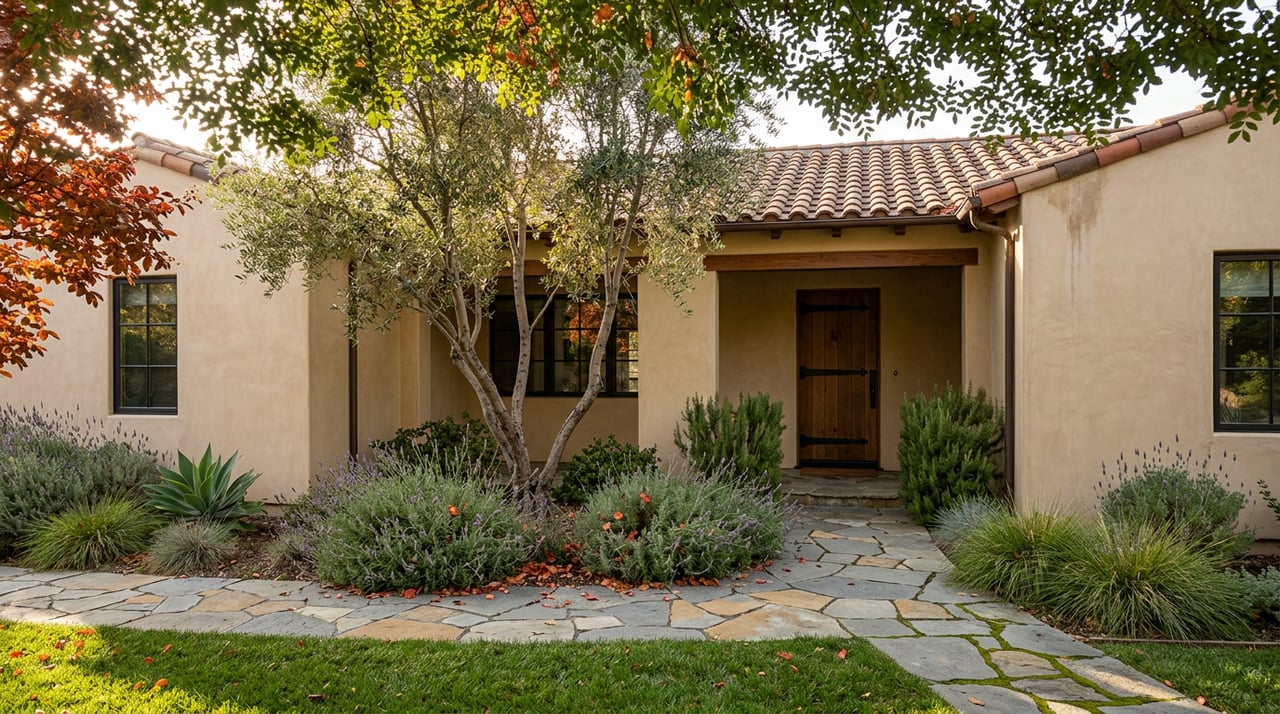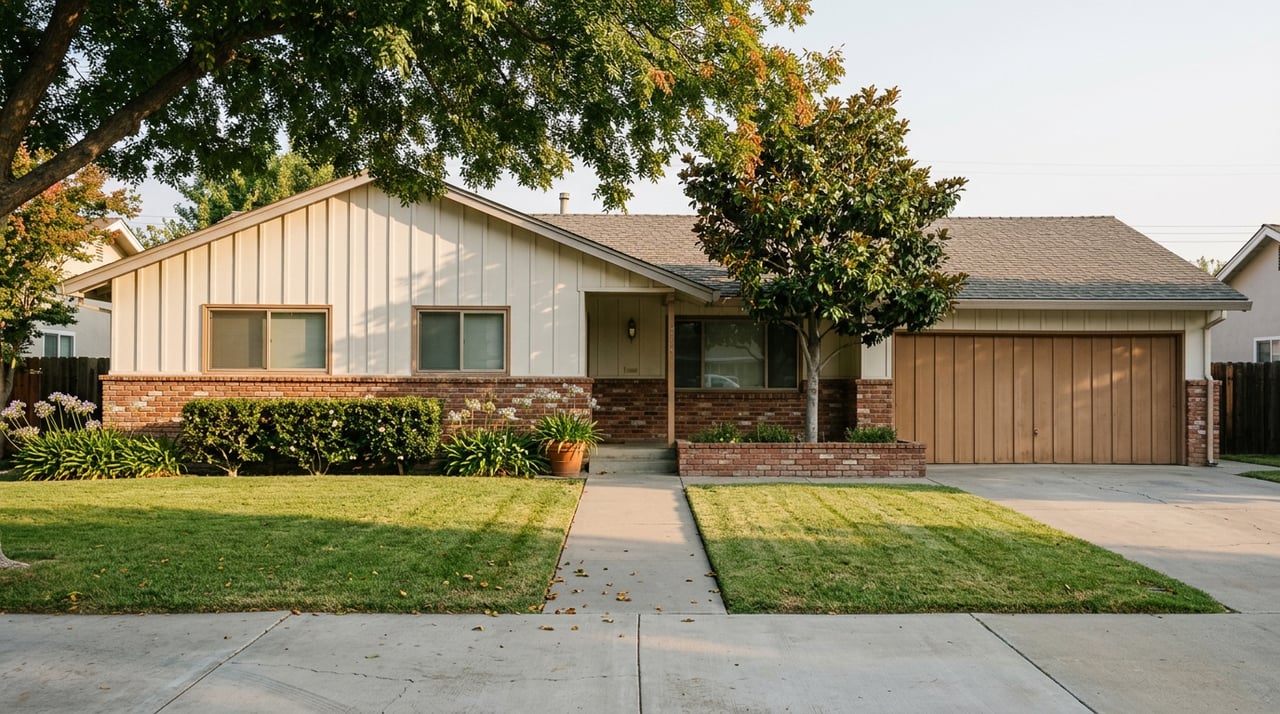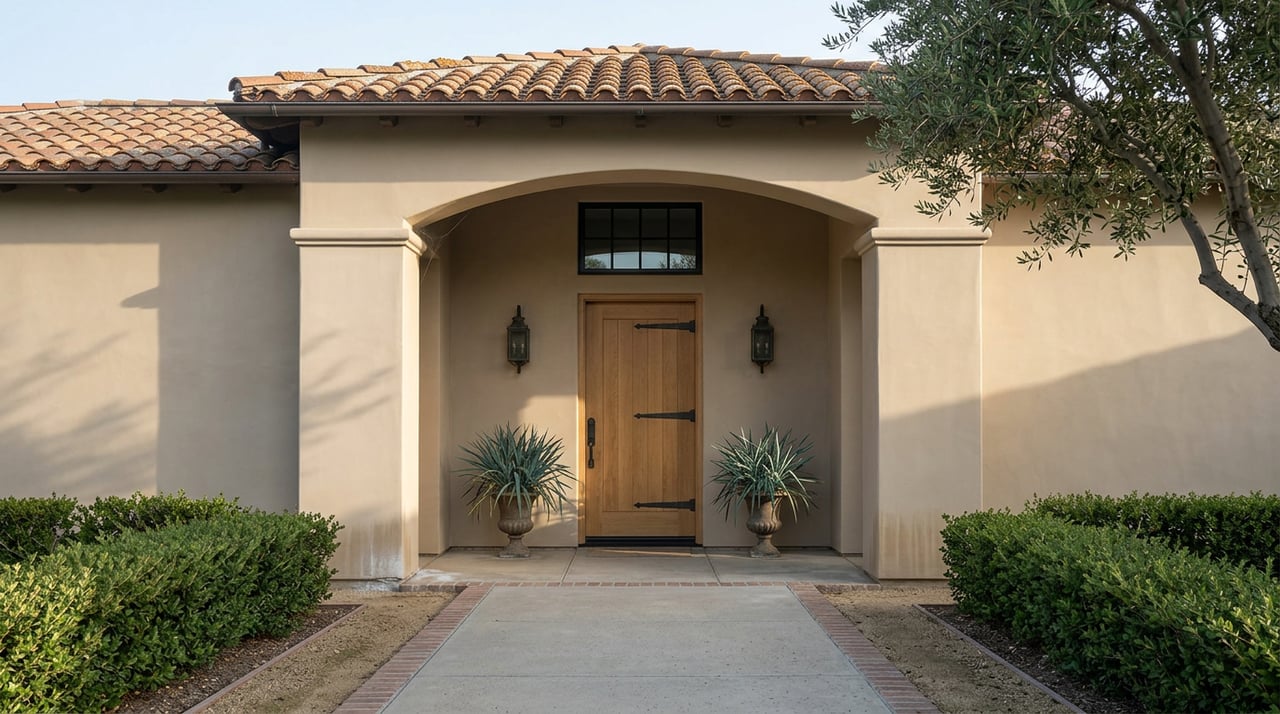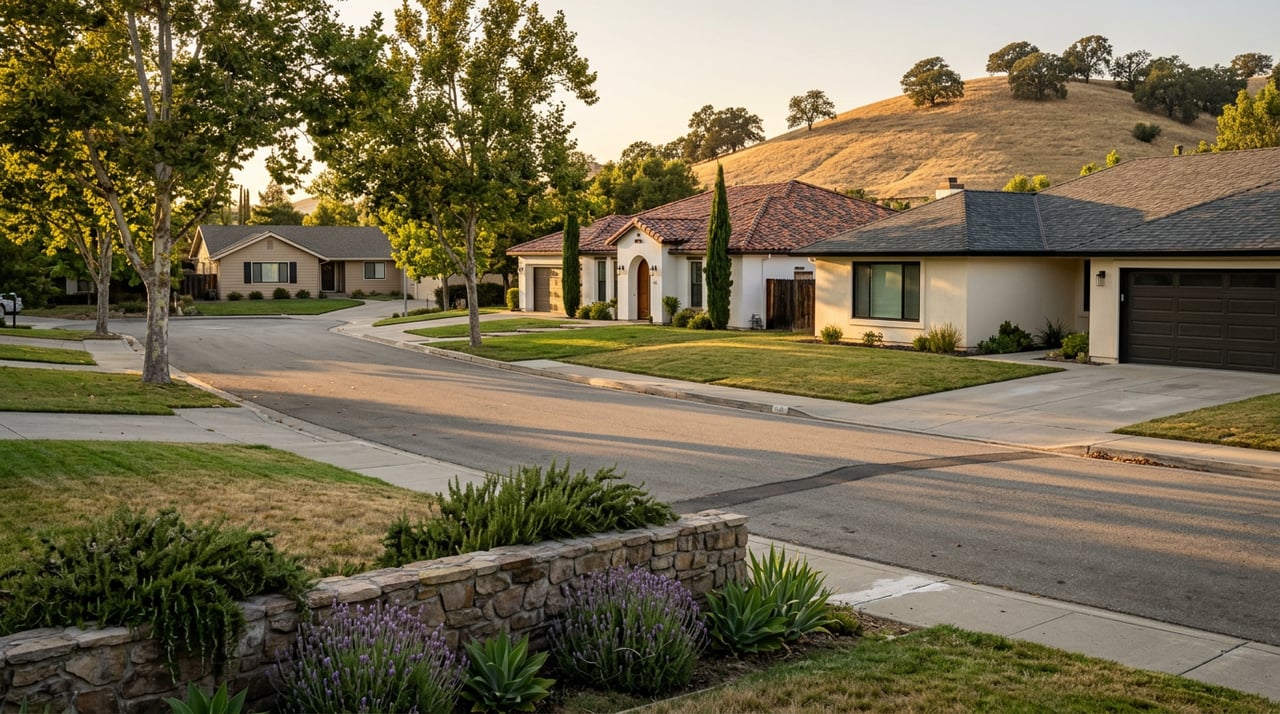
Buying your first home in Norwalk can feel like trying to hit a moving target. Prices can shift, good homes can get multiple offers, and it is easy to wonder whether you should wait or jump in now. The good news is that with the right expectations, you can approach the market with more confidence and a clearer plan. If you are hoping to understand what counts as a starter home in Norwalk and how to prepare, this overview will walk you through it. Let’s dive in.
What a starter home looks like in Norwalk
In Norwalk, a starter home does not always mean the cheapest house on the market. More often, it means a home type and price point that helps you get into ownership while staying realistic about your budget, repairs, and monthly payment.
Current market snapshots place Norwalk in roughly the low-to-mid $700,000s. Redfin reported a March 2026 median sale price of $750,000, while Realtor.com showed an April 2026 median listing price of $720,000 and a median sold price of $782,500. That is why it makes more sense to plan around a range instead of one exact number.
Norwalk’s housing stock also shapes what first-time buyers are likely to find. SCAG reports that 73.2% of the city’s homes are single-family detached, with smaller shares of attached homes and multifamily properties. Since 79.2% of the housing stock was built before 1970, many entry-level options are older homes that may need updates, along with condos, townhomes, and other attached choices.
Why Norwalk appeals to first-time buyers
Norwalk sits in a practical middle ground for many buyers in southeast Los Angeles County. It is not a bargain market, but it is often priced below several nearby cities, which can make it worth a closer look if you want access, convenience, and a chance to buy in an established area.
Compared with nearby cities, Norwalk often lands below Downey, Whittier, La Mirada, and Cerritos in recent median sale prices. At the same time, it tracks closer to Bellflower and Pico Rivera. For a first-time buyer, that can make Norwalk feel like a more approachable option if those higher-priced cities are stretching the budget.
There is also a day-to-day convenience factor. SCAG notes a mean commute time of 29.4 minutes, and local infrastructure includes the Norwalk Library, the Norwalk/Santa Fe Springs Metrolink station, and Metro C Line access. If you are balancing budget with everyday mobility, that matters.
What home types may fit your budget
Your best entry point in Norwalk will likely depend on how much flexibility you have in both price and condition. If you want a detached home, you may be looking at older properties where inspections and future repairs deserve extra attention.
If you want to keep the purchase price lower than a detached house, condos and townhomes may offer a more accessible path. Norwalk’s housing mix includes attached and multifamily inventory, which can create opportunities for buyers who are open to sharing walls or trading lot size for affordability.
Small multifamily or 2-to-4-unit properties are a much smaller part of the housing stock, but they do exist. SCAG reports 3.1% of the stock in that category. That means these options may be less common, but they can still be worth watching if your goals and financing line up.
Expect a competitive market
If you are buying your first home in Norwalk, it helps to assume you will need to move quickly when the right property appears. Redfin reports about 4 offers per home and a median market time of 21 days, while Realtor.com shows a 101% sale-to-list ratio. Those numbers point to a competitive environment.
That does not mean you should rush blindly. It means preparation matters. A strong first step is getting preapproved before you start seriously shopping, so you know your range and can act with more confidence when you find a home you like.
The California Department of Real Estate advises buyers to understand their offer terms and contingencies before signing. Once an offer is accepted, it becomes a binding contract. In a faster market, that reminder is especially important.
Older homes mean inspections matter
Norwalk’s older housing stock is part of its appeal for some buyers, but it also means you should pay close attention to property condition. The California DRE recommends that buyers inspect electrical, plumbing, and structural conditions and consider hiring a qualified inspector.
That advice is especially relevant in a city where most housing was built before 1970. An older home may still be a great fit, but you want to understand its condition before closing, not after you move in.
The California DFPI also warns that buyers in multiple-offer situations may feel pressure to skip inspections. For a first-time buyer, waiving that protection can create expensive surprises later. Moving quickly is smart, but giving up key protections can make a manageable purchase much harder.
Build your offer around protection and clarity
A competitive offer is not just about price. It is also about being organized, realistic, and clear about your terms. In Norwalk, that often means having preapproval ready, setting a workable closing timeline, and understanding which contingencies you want in place.
The California DRE notes that buyers commonly include contingencies for loan approval, repairs, pest control, and home inspections. The DFPI also points out that financing conditions can protect you if your loan does not come through. For first-time buyers, these safeguards can be an important part of reducing risk.
The key is balance. You want an offer that is strong enough to compete, but still protects you from avoidable problems. That is where thoughtful guidance and a tailored strategy can make a real difference.
Budget beyond the down payment
One of the biggest first-time buyer surprises is how many upfront costs show up before closing. The California DRE says buyers should expect closing costs of about 3% to 7% of the purchase price. At Norwalk price levels, that can mean setting aside a low five-figure amount before your down payment is even counted.
Down payments also vary by loan and program. According to the DRE, they are often 5% to 20%. Your exact number will depend on the loan you use and the terms you qualify for.
This is why it helps to think in layers. Your budget is not only the home price. It is your down payment, estimated closing costs, reserves, monthly payment comfort, and any likely repair or update costs after move-in.
What happens near closing
Once you are under contract, the final stretch still requires attention. The CFPB says your lender must send the Closing Disclosure at least three business days before closing. That gives you time to review the figures and confirm that the numbers match what you expected.
During that window, buyers should also complete any remaining document requests, shop for homeowner’s and title insurance, and confirm agreed repairs were completed. These steps may sound small, but they help reduce last-minute stress.
For a first-time buyer, closing can feel like a blur. A calm, organized process makes it easier to understand what you are signing and what funds you need to bring to the table.
How Norwalk compares with nearby cities
If you are still deciding where to buy, Norwalk can make sense as a middle-ground choice. Recent Redfin snapshots show Norwalk at $750,000 compared with $730,000 in Pico Rivera and $760,000 in Bellflower, while Downey, Whittier, La Mirada, and Cerritos all came in higher.
That does not make Norwalk cheap. It does mean the city is often positioned below several nearby markets that many buyers also consider. If you want a practical location without pushing into the highest-priced nearby cities, Norwalk may deserve a spot on your shortlist.
Norwalk also sits in the middle of the pack in housing mix. It has more detached housing than more apartment-heavy places like Bellflower and Downey, but less than Pico Rivera. For buyers who want a blend of detached homes and attached options, that can be a useful balance.
A smart first step for Norwalk buyers
The best first step is not guessing. It is getting clear on what you can comfortably afford, what kind of home fits your lifestyle, and how much repair work you are willing to take on. In Norwalk, those choices matter because the market is competitive and the housing stock is older.
A first home does not need to be perfect to be the right move. It needs to fit your budget, support your daily life, and give you a path into homeownership that feels sustainable. With the right preparation, Norwalk can offer that opportunity.
If you are thinking about buying your first home in Norwalk and want clear, steady guidance through each step, Emma Perez is here to help you move forward with confidence.
FAQs
What is the typical price range for starter homes in Norwalk?
- Norwalk’s current market snapshots suggest planning around the low-to-mid $700,000s rather than one exact number, with the final price depending on home type, condition, and competition.
Are older homes common in Norwalk for first-time buyers?
- Yes. SCAG reports that 79.2% of Norwalk’s housing stock was built before 1970, so many first-time buyers will be looking at older homes where inspections are especially important.
Are condos and townhomes available in Norwalk?
- Yes. While single-family detached homes make up most of the housing stock, Norwalk also has attached and multifamily housing that can create more accessible entry points for first-time buyers.
Is Norwalk competitive for first-time homebuyers?
- Yes. Recent public market data shows about 4 offers per home, a 21-day median market time, and a 101% sale-to-list ratio, which points to a competitive market.
What costs should first-time buyers plan for in Norwalk?
- In addition to the down payment, the California DRE says buyers should expect closing costs of about 3% to 7% of the purchase price, plus reserves for moving, insurance, and possible repairs or updates.
Why do contingencies matter when buying a Norwalk home?
- Contingencies such as financing, inspections, repairs, and pest control can help protect you if the loan changes or the property has issues, which is especially important in a competitive market with older homes.