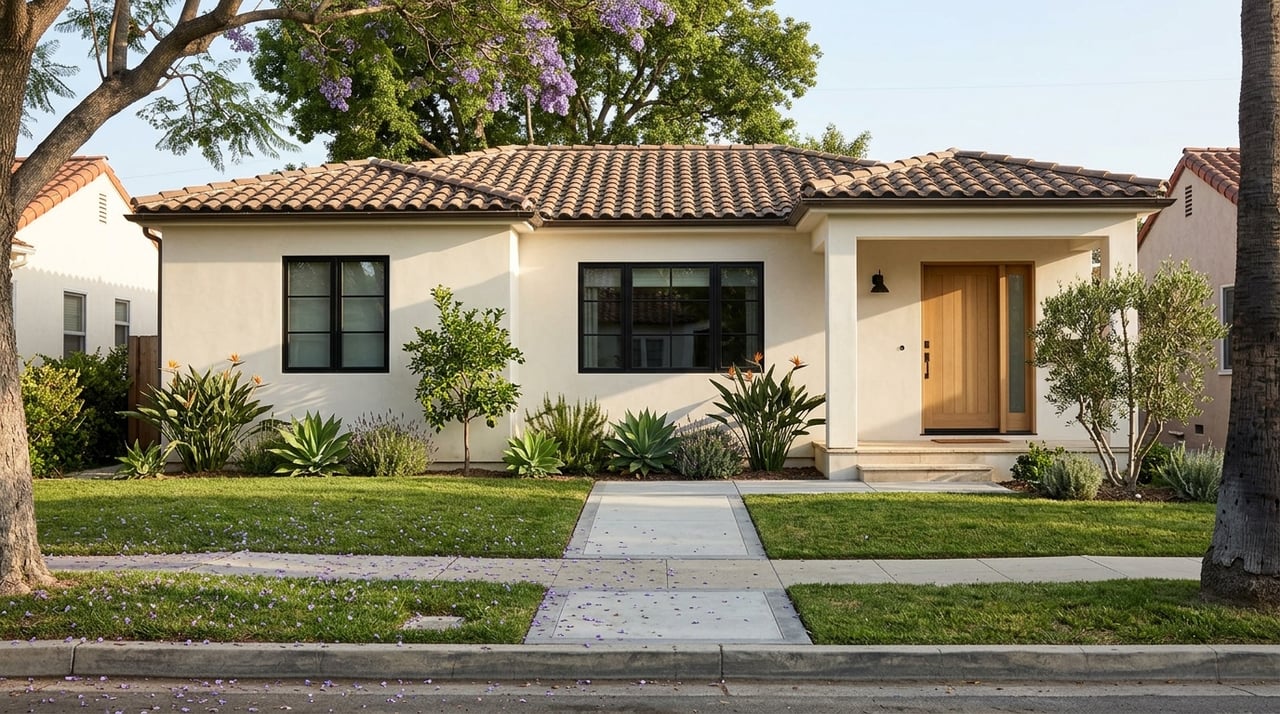
Curious what day-to-day life in Downey actually feels like? If you are exploring a move, comparing nearby cities, or simply trying to understand the area beyond a map, it helps to look at how people really live here. Downey stands out for its practical rhythm of neighborhoods, parks, shopping areas, and commuter connections that shape daily life in a grounded, lived-in way. Let’s dive in.
Downey at a Glance
Downey is a compact city of 12.41 square miles with an estimated population of 108,468 as of July 1, 2025. City information places it about 12 miles southeast of Downtown Los Angeles and about 5 miles from Orange County, which helps explain why it often appeals to people who want regional access while staying rooted in one community.
Recent Census figures add more context to everyday life here. The median household income is $90,699, median gross rent is $1,937, median owner-occupied home value is $796,600, and the mean travel time to work is 31.0 minutes. Those numbers point to a city where work, errands, and home life are closely connected.
Downey also has a stable residential base. According to the latest Census profile, 93.0 percent of residents lived in the same house one year earlier, and 51.1 percent of housing units were owner-occupied. That stability often shows up in the city’s established feel and consistent neighborhood routines.
Neighborhood Rhythm in Downey
Downey feels less like a city built around one single hotspot and more like a city with several everyday centers. You have interior residential streets that tend to feel established and lower-scale, while downtown and major corridors bring more activity, services, and mixed-use energy.
This pattern makes daily life feel practical. A typical week might include a park visit, a stop at the library, shopping at one of the larger retail centers, and dinner or coffee downtown. Rather than separating residential life from errands and outings, Downey blends them together.
Planning documents also suggest where that rhythm may continue to evolve. The city’s housing element implementation plan calls for a residential overlay along Telegraph Road, Florence Avenue, Imperial Highway, and Paramount, Lakewood, and Firestone boulevards, and the Downtown Downey Specific Plan allows multifamily residential uses by right. In simple terms, commercial corridors and downtown may continue to feel more active and mixed-use, while many interior residential areas retain a more established neighborhood pattern.
Parks and Recreation Shape Daily Life
Parks are a major part of Downey’s local lifestyle. The city says it operates almost 100 acres across 11 area parks, with amenities that include fishing lakes, tennis courts, a skate park, a dog park, fitness courses, sports programming, camps, and special events.
That variety matters because it gives you options for both routine and recreation. Whether you want a walking trail, play area, athletic field, or a place to spend a casual afternoon outdoors, there are multiple places woven into daily life across the city.
Wilderness Park and Everyday Outdoor Time
Wilderness Park is one of Downey’s more distinctive outdoor spaces. It includes two lakes, fishing, picnic tables, a playground, and restrooms, and it sits adjacent to the 605 Freeway off Florence Avenue.
For many residents, spaces like this help create a simple weekend rhythm. It is the kind of park that can fit a quick stop, a family outing, or a relaxed afternoon without needing a big plan.
Active Parks Across the City
Several parks offer specific amenities that support active routines:
- Furman Park includes outdoor fitness equipment, tennis courts, a walking trail, and reservable space.
- Apollo Park includes athletic fields, ball diamonds, bocce, sand volleyball, shuffleboard, a gymnasium, and a walking trail.
- Independence Park includes ball diamonds, play areas, a skate park, and tennis courts, including the Independence Park Tennis Center and Meredith H. Perkins Skate Park.
These amenities add to Downey’s steady, everyday feel. Recreation here is not limited to one destination. It is spread across the city in ways that can fit different routines and age groups.
Civic Spaces Add to the Local Routine
Downey’s community life extends beyond parks. The Barbara J. Riley Community and Senior Center offers programs and services for residents 50+, including a fitness center, computer lab and library, billiards room, meal program, and facility rentals.
The Downey City Library, located in the Civic Center complex, offers books and media, free WiFi, a public computer lab, e-books, and community programs. For many households, places like the library and community center are part of what makes a city feel functional and connected, not just residential.
The Columbia Memorial Space Center adds another layer to local life. This city-owned hands-on science museum sits on the former NASA Downey site and features robotics and other interactive exhibits. It gives Downey a civic destination that is both educational and distinctly local.
Shopping and Dining in Downey
Downey offers a mix of walkable downtown activity and larger shopping centers. That combination gives you options depending on what kind of outing you want, whether that is a quick errand run, a meal out, or a more casual afternoon around shops and services.
Downtown Downey’s Walkable Core
Downtown Downey is described by its downtown organization as a pedestrian-friendly district with restaurants, bars, bakeries, stores, services, and a major hotel. It also hosts a night market on the second and fourth Thursdays of the month and a farmers market every Saturday from 9 a.m. to 1 p.m.
That schedule helps downtown feel like a regular part of local life rather than an occasional event space. If you like areas where errands and social time can overlap, downtown adds that street-level energy.
Major Retail Centers Across the City
The City of Downey identifies several major shopping and dining clusters:
- Downtown Downey
- Downey Gateway
- Downey Landing
- Promenade at Downey
- Stonewood Center
The city describes Downey Landing as having more than 41 locations, and Promenade at Downey as a retail, dining, and entertainment destination. Stonewood Center is open daily and includes national retailers and dining options such as Macy’s, Kohl’s, JCPenney, H&M, BJ’s, Acapulco, Raising Cane’s, Buffalo Wild Wings, Toast Kitchen and Bar, and Olive Garden.
The bigger takeaway is that Downey’s commercial life is spread across several identifiable nodes. Downtown offers a more walkable district feel, while the larger centers support mall-style shopping, dining, and entertainment.
Getting Around Downey
Downey is primarily car-oriented, and the data supports that. SCAG’s local profile shows that 79.0 percent of Downey workers drove alone to work in 2018, with an average commute time of 30.2 minutes, while 50.9 percent spent more than 30 minutes commuting. The latest Census figure shows a citywide mean travel time to work of 31.0 minutes.
Still, the city is not car-only. Downey LINK is a weekday circulator with four routes that runs Monday through Friday from 6:30 a.m. to 6:30 p.m., with a downtown transit depot at 8150 Nance Street and a fare of 50 cents per ride. The city also operates Dial-A-Ride for eligible seniors and riders with disabilities.
Additional transportation options include Metro bus stops within the city, the C Line Lakewood Blvd Station, Long Beach Transit Route 22 service at the Lakewood Blvd Green Line station, Access paratransit, and Metro Micro service in part of the Watts/Compton zone. In day-to-day terms, many residents rely on cars, but there are multiple transit options that can support commuting or backup transportation needs.
Downey’s Housing Mix and Feel
Downey’s housing stock is varied enough to support different living preferences. SCAG’s local profile shows 57.1 percent single-family detached homes, 4.3 percent single-family attached homes, 4.6 percent multifamily units with 2 to 4 homes, and 33.0 percent multifamily units with 5 or more homes.
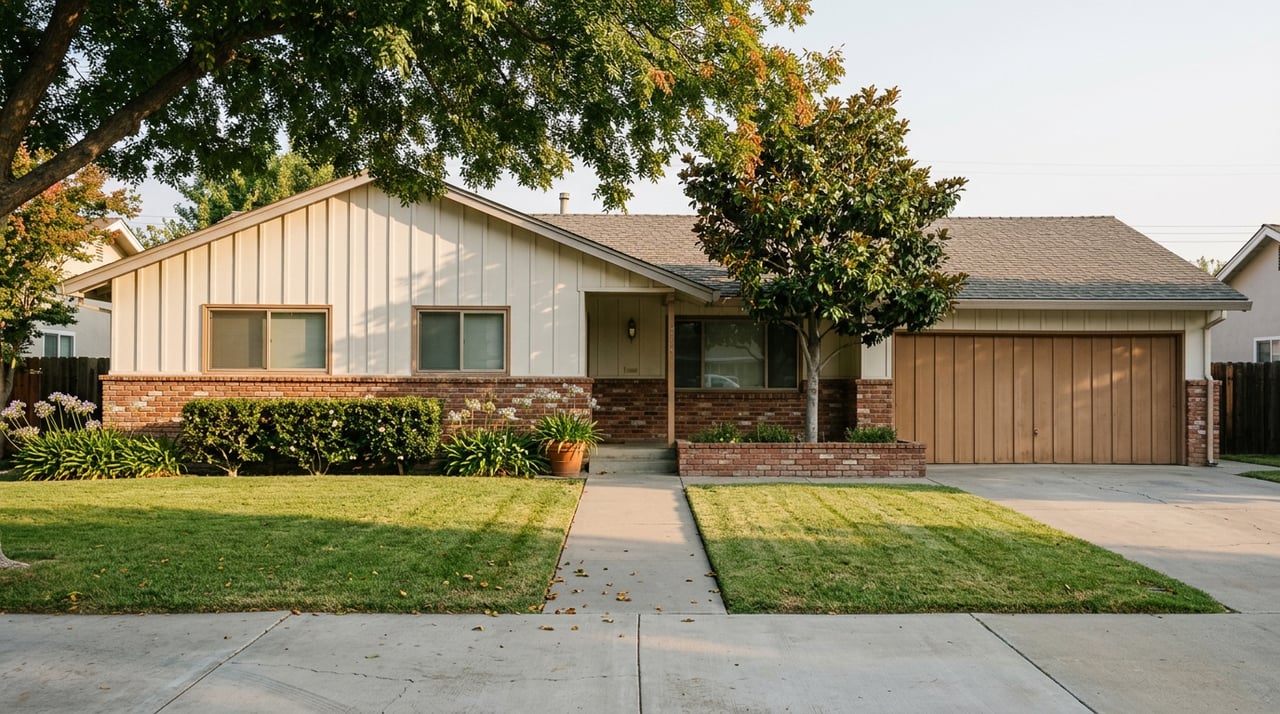
That mix helps explain why different parts of the city can feel different from one another. Many interior areas reflect a strong older suburban base, while housing near downtown and major corridors may feel denser and more connected to shopping, services, and transit.
The city also has an established built environment. SCAG reports that 72.2 percent of the housing stock was built before 1970. For you as a buyer or seller, that can mean a market with long-standing neighborhood patterns, mature residential areas, and a broad range of property types depending on location.
What Life in Downey Feels Like
At its core, Downey feels practical, established, and active in an everyday way. It is a city where park visits, library stops, shopping trips, dining out, and commuting all fit into the same weekly rhythm.
If you are looking at Downey as a place to buy or sell, that local rhythm matters. It gives context to how different parts of the city function, what daily convenience looks like, and why the area often feels both residential and connected. When you understand that lifestyle pattern, it becomes easier to picture how a home here might fit your next chapter.
If you are thinking about buying or selling in Downey or a nearby community, Emma Perez offers thoughtful, hands-on guidance with the calm communication and local insight that can make a big decision feel more manageable.
FAQs
What is everyday life like in Downey, California?
- Everyday life in Downey tends to center on established residential streets, local parks, shopping districts, civic spaces, and commute routines that often blend home life and errands into one practical rhythm.
What parks and recreation options are available in Downey?
- Downey operates almost 100 acres across 11 area parks, with amenities that include lakes for fishing, walking trails, tennis courts, athletic fields, a skate park, a dog park, playgrounds, and recreation programs.
What shopping areas are popular in Downey?
- Key shopping and dining areas in Downey include Downtown Downey, Downey Gateway, Downey Landing, Promenade at Downey, and Stonewood Center.
Is Downtown Downey walkable?
- Downtown Downey is presented as a pedestrian-friendly district with restaurants, bakeries, stores, services, and recurring events such as a night market and weekly farmers market.
How do people commute in Downey?
- Most commuters in Downey drive, but the city also offers Downey LINK service, Dial-A-Ride for eligible riders, Metro bus access, and connections to the C Line Lakewood Blvd Station and other regional transit options.
What types of homes are common in Downey?
- Downey includes a mix of housing types, with single-family detached homes making up the largest share, along with attached homes and multifamily properties in both smaller and larger buildings.